Cessna 172RG Rear RH Baffle Assembly
Cessna 172RG Rear RH Baffle Assembly
Blog Article
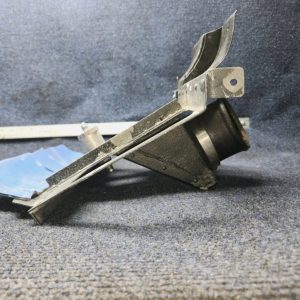
P/N 2455038-2 should be selected only after confirming aircraft serial applicability, engine configuration, mounting geometry, material condition, and included hardware.
A Cessna 172RG Rear Right-Hand Baffle may also be described as a Cessna 172RG Engine Baffle or Cessna 172RG Cooling Baffle when the position and part number remain clear.
Whether described as a Cessna Cutlass Engine Baffle, Cessna 172RG Baffle Assembly, Rear RH Engine Baffle, or Aircraft Engine Baffle Assembly, precise configuration verification remains essential.
The Cessna Engine Cooling Baffle works with other Cessna 172RG Engine Compartment Parts to reduce unwanted air leakage and direct airflow through intended cooling paths.
The Cessna Aircraft Engine Baffle, Engine Cooling Baffle Assembly, Cessna Cutlass Cooling System Part, and Cessna 172RG Replacement Baffle terms represent related maintenance and commercial searches.
Understanding P/N 2455038-2
A component should not be accepted as P/N 2455038-2 solely because it appears to fit the rear right-hand engine area.
The buyer should determine whether the assembly is original, repaired, refurbished, fabricated, removed from an aircraft, or offered as an incomplete section.
Cessna 172RG Engine Temperature Management
The rear right-hand baffle helps guide cooling air through intended paths around the engine installation rather than allowing it to escape through uncontrolled gaps.
Unexpected temperature indications may result from multiple causes rather than the rear baffle alone.
Cessna 172RG and Cutlass Compatibility
Compatibility should be established through the exact aircraft model, serial number, engine installation, part number, baffle position, and applicable maintenance or parts information.
The replacement baffle should align naturally with surrounding parts and retain required clearances.
Cessna Baffle Flanges and Brackets
A visually similar sheet-metal component should not be substituted using unverified material or dimensions.
Previous forming or repair work should be disclosed and inspected carefully.
Inspecting the Cessna 172RG Cooling Baffle
Areas near fasteners and vibration-prone attachment points deserve particular attention.
Unusual waviness or twisted geometry should be measured rather than dismissed as cosmetic.
Cessna Cooling Air Seal Replacement
Flexible seals help close gaps between metal baffles and surrounding cowling surfaces so cooling air follows the intended route.
Careful seal fitting supports more consistent cooling-air control.
Protecting Aircraft Cooling Components
Surface staining may be minor, while pitting, material loss, exfoliation, or corrosion around holes can require more extensive action.
Responsible corrosion prevention supports long-term component value.
Maintaining Secure Baffle Connections
Stop-drilled cracks should not be treated as complete repairs without supporting technical information.
Old hardware should not be reused automatically because it fits the existing holes.
Planning a Complete Baffle Repair
A rear-baffle replacement may require adjacent baffles, seals, brackets, clips, fasteners, retainers, supports, and cowling-related components.
Donor-aircraft history may provide context but does not establish present serviceability.
Avoiding Unnecessary Component Replacement
Missing seals, open gaps, loose cowling, or incorrectly installed neighboring components can affect airflow distribution.
Cleaning or replacing one baffle should not be presented as a guaranteed cooling improvement.
Rear RH Baffle Replacement Versus Repair
A localized defect may be repairable, while widespread cracking, severe corrosion, or distorted geometry may support replacement.
Patches or replacement brackets should not create interference with the engine, cowling, controls, wiring, hoses, or exhaust system.
Replacement Baffle Purchase Considerations
A clean appearance can improve presentation but does not replace detailed inspection.
Unsupported direct-fit, cooling-performance, or airworthiness claims should be read more avoided.
Aircraft Engine Baffle Pre-Purchase Guide
The buyer should request enough information for qualified maintenance personnel to evaluate the component before purchase.
- Compare the baffle with applicable parts information, the removed component, surrounding panels, mounting locations, dimensions, brackets, seals, and cowling clearances.
- Confirm whether the component came from an accident aircraft, overheated engine compartment, corroded airframe, dismantled project, or controlled removal.
- Confirm the invoice, payment protection, packaging method, shipping insurance, inspection period, return conditions, and stated component status.
Protecting Cessna Engine Baffles in Transit
The shipping container should resist crushing, puncture, vibration, and uncontrolled movement.
Heavy objects should never be stacked on the baffle.
Completing a Rear Baffle Replacement
Any mismatch should be investigated rather than corrected through uncontrolled force or modification.
Temporary fitting can help reveal alignment and clearance concerns before final attachment.
P/N 2455038-2.
Maintaining the Cessna 172RG Cooling System
The assembly should receive attention after engine work, cowling damage, abnormal vibration, overheating indications, fluid leaks, or suspected impact.
Wiring, hoses, and controls should not rub against the baffle or create repeated loading.
Choosing the Cessna 172RG Rear RH Baffle Assembly
For the appropriate Cessna Cutlass installation, the assembly can help restore the intended rear right-hand cooling-air boundary when surrounding components are also maintained properly.
Aviation maintenance personnel should evaluate the assembly before repair, alteration, installation, or operational release.
Whether buyers need a Cessna 172RG Baffle Assembly, Rear RH Engine Baffle, Aircraft Engine Baffle Assembly, or Cessna Engine Cooling Baffle, aircraft-specific compatibility should be verified.
With responsible purchasing, part-number research, careful handling, alignment checks, and appropriate workmanship, the assembly can remain a valuable engine-compartment asset.
Report this page